

common-mistakes-to-avoid-when-setting-up-a-diagnostic-lab
Setting up a diagnostic lab looks straightforward on paper, but in practice, small oversights in the early stages routinely turn into expensive fixes later. Site selection, licensing, equipment procurement, staffing and workflow design each carry their own pitfalls, and most first-time lab owners run into avoidable trouble in at least one of these areas. Knowing where labs typically go wrong makes it far easier to plan around them from day one.
From choosing a location without checking real demand to underestimating how licensing timelines affect equipment delivery, these mistakes rarely show up until after money has already been spent. Recognizing the patterns early”before construction or procurement begins”is what separates a smooth launch from a delayed, over-budget one.
Mistakes in Site Selection and Layout Planning
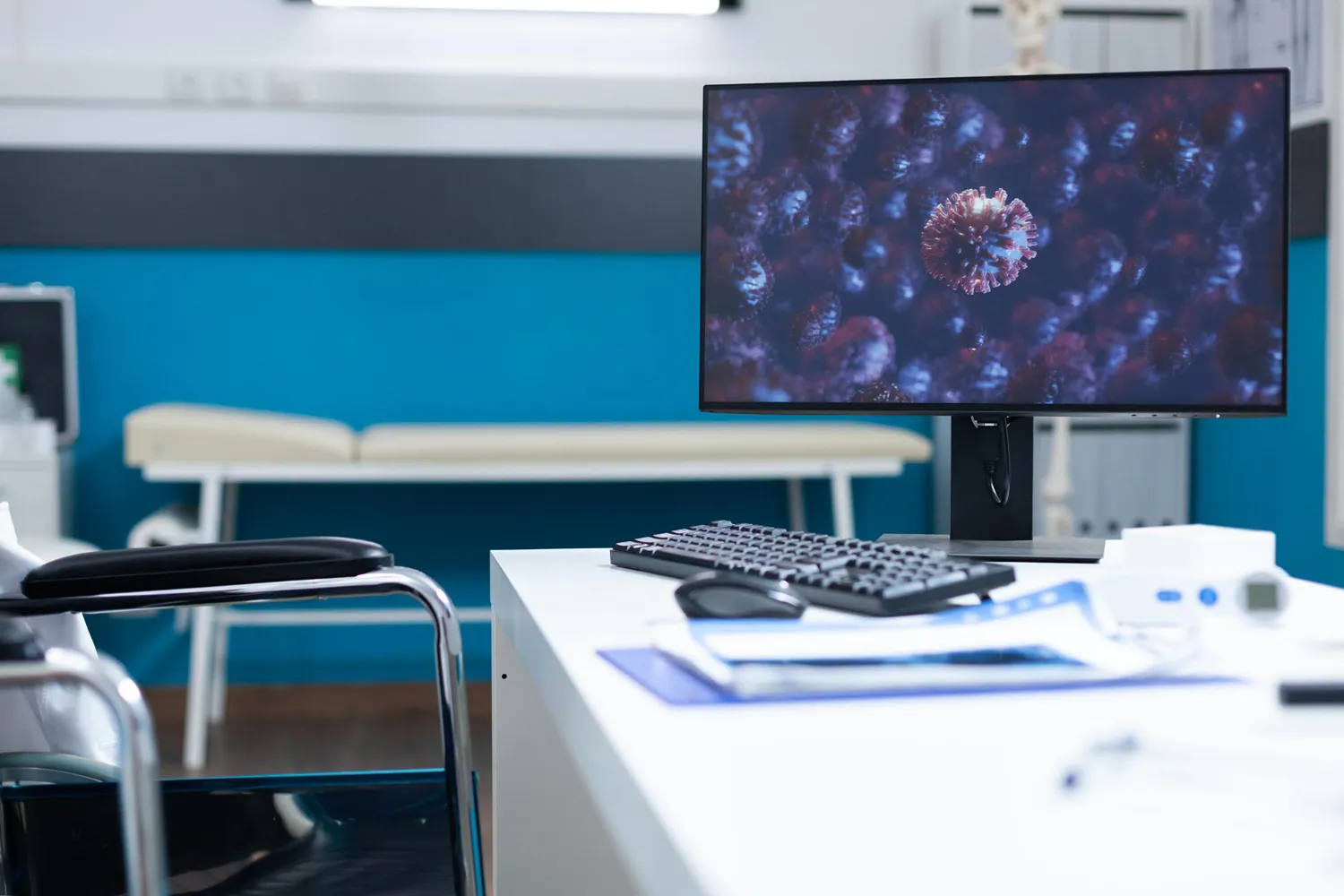
One of the most common mistakes is finalizing a location without a proper feasibility study. Owners often pick a site based on rent or availability rather than catchment area demand, competitor density and expected footfall, which leads to underused space and disappointing test volumes. Equally common is skipping detailed layout planning, which results in poor patient flow, cramped testing zones and cross-contamination risks that are far costlier to fix after construction than before it.
"A diagnostic lab designed without a feasibility study or layout plan almost always ends up spending more to fix problems than it would have cost to plan properly."
Another frequent error is treating layout, licensing and equipment procurement as separate, sequential tasks instead of running them in parallel. When civil work starts before licensing requirements are finalized, labs often end up redoing electrical work, floor plans or waste disposal arrangements, adding weeks or months to the timeline.
- Skipping a proper site feasibility & demand study
- Ignoring patient flow and cross-contamination risk in layout
- Treating licensing, layout and equipment as separate steps
- Underestimating documentation needed for NABL & ISO 15189
Mistakes in Licensing, Equipment and Staffing
Licensing is where many diagnostic labs lose the most time. Owners frequently underestimate how many state and central approvals are required, or delay applying for biomedical waste management authorization and radiation safety clearances until construction is already complete, pushing back the opening date by months.
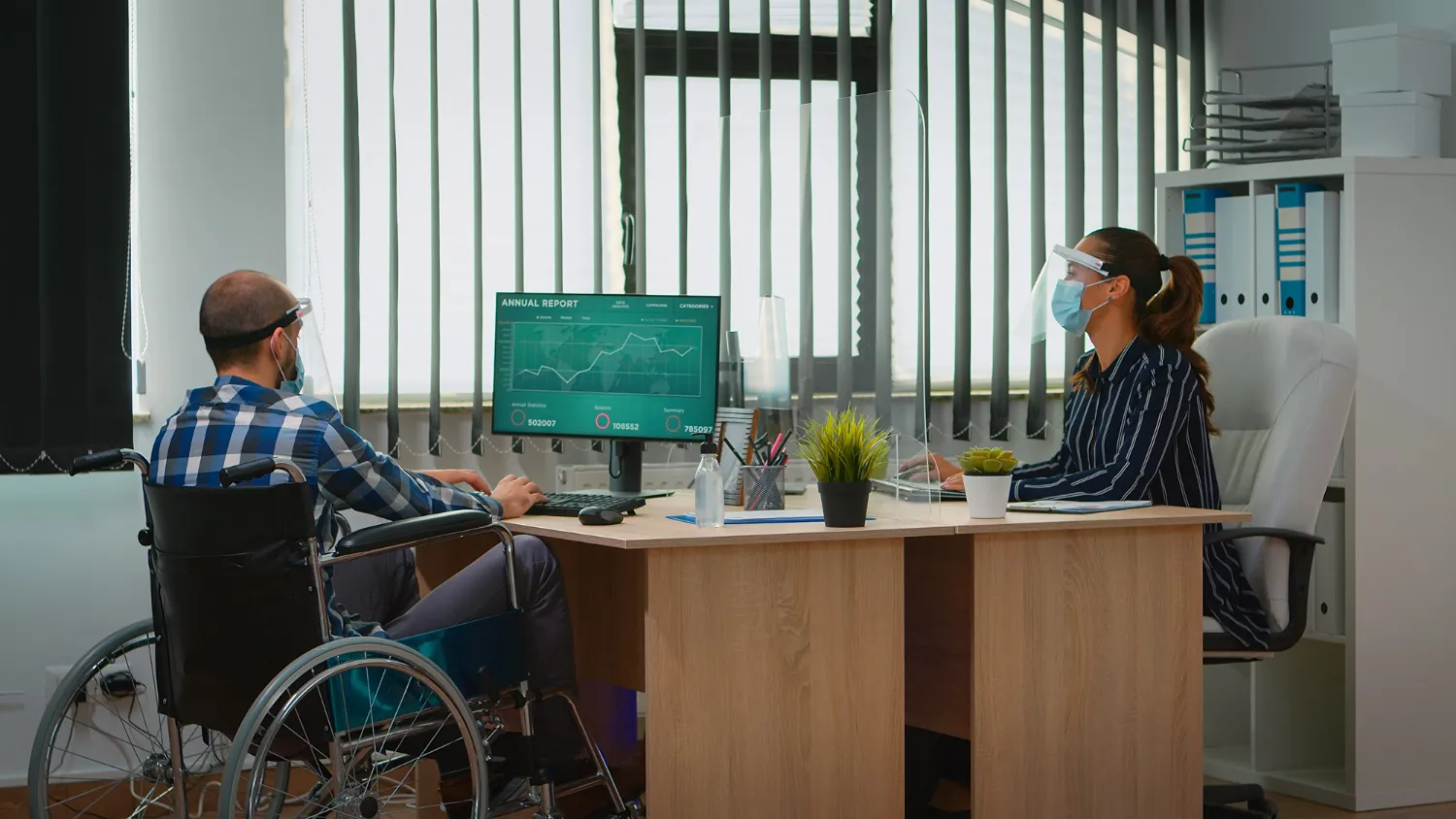
Equipment and staffing mistakes are just as common. Some labs buy analyzers based on price alone, without matching them to expected test volume, leading to either idle capacity or bottlenecks. Others start operations without annual maintenance contracts in place, or hire technicians and quality managers too close to launch, leaving no time for proper training before patients arrive.
Most of these mistakes come from treating diagnostic lab setup as a checklist to complete quickly rather than a coordinated project. Avoiding them comes down to sequencing planning, compliance, procurement and staffing together from the start, so problems are caught on paper, not after the lab is already open.
.webp)